Compare the work, vehicle access and installation requirements of the specific lift options offered. A clear brief helps narrow the choice without relying on appearance alone.
Explain how the lift will be used
Describe the repair or service tasks you want to carry out and the types of vehicles involved. Ask the supplier to explain how each proposed configuration supports those tasks. A two-post or scissor label alone is not enough to establish suitability.
- Vehicle makes, types, dimensions and relevant weights
- The access you need beneath and around the vehicle
- Whether the equipment must support a particular service process
- Your existing bay layout and available working space
Request the selected model’s installation requirements
Send your available dimensions and power supply information. Ask for the manufacturer’s installation documentation for the exact machine being offered, including any requirements that need professional site assessment. Do not assume the installation requirements of another model apply.
- Overall and operating dimensions
- Required clearances and access
- Electrical and other service requirements
- Foundation, anchoring or recessed-installation requirements where applicable
Check the actual refurbished unit
Request photographs from several angles, machine identification, included components and available operating evidence. Ask which inspections and refurbishment tasks have been completed and whether any work remains.
Reference specifications shown on the website describe the named reference model. Confirm the capacity, dimensions and configuration of the offered unit in its documentation.
Prepare your lift enquiry
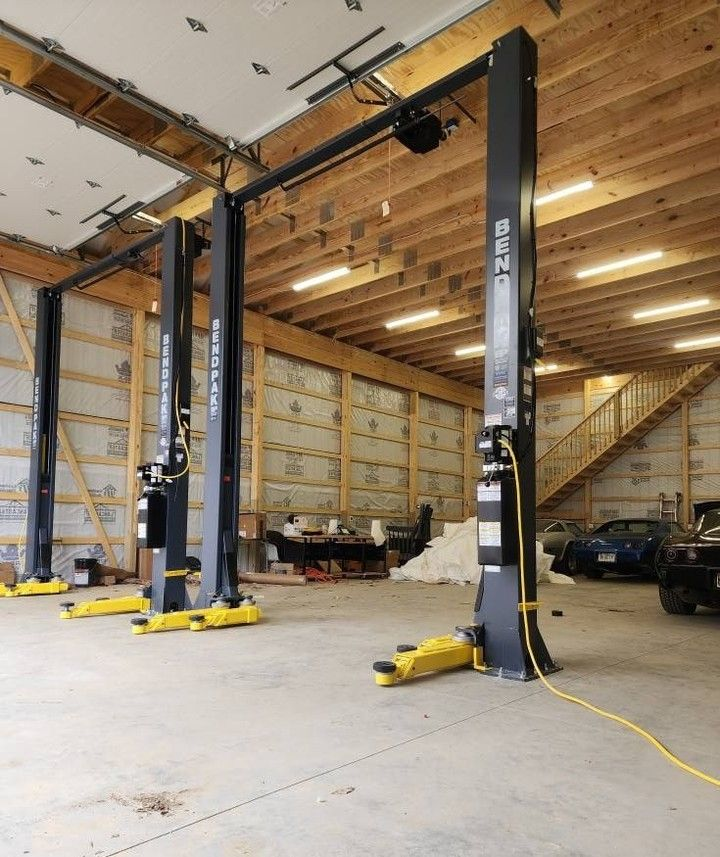
Include quantity, intended tasks, site information and destination. If you are open to different brands or both lift types, say so. This lets the discussion focus on suitable equipment options rather than one pictured machine.